Transform Your Outdoor Space: Expert Landscaping Tips for a Stunning Home Garden
Transforming an outdoor space into a stunning home garden involves careful planning and thoughtful execution. By assessing the distinct features of a yard, individuals can establish definitive landscaping goals. Choosing vegetation appropriate for the local climate is essential. Additionally, adding functional hardscaping elements improves both beauty and functionality. However, the process doesn't stop there. Discovering how to preserve beauty and ecological balance can elevate any garden to the next level. Which approaches will result in lasting success?
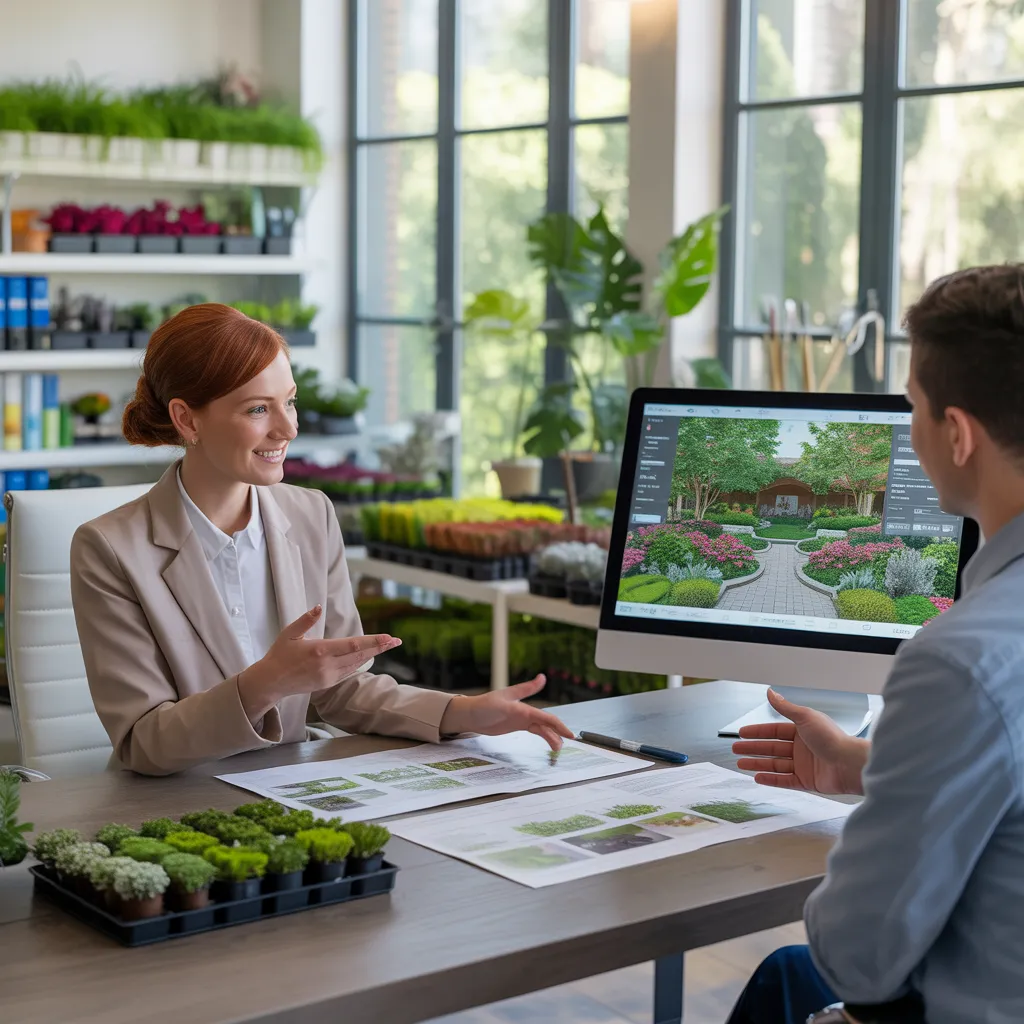
Evaluate Your Outdoor Area to Establish Your Garden Objectives
Before beginning any garden project, it is essential for homeowners to completely evaluate their exterior area. This initial evaluation facilitates them to understand the distinct characteristics of their property, including light exposure, ground quality, and current vegetation. Identifying these elements supports in determining which types of landscape elements can be effectively incorporated into the space.
Homeowners should record dimensions and document any obstacles such as vegetation, fences, or walkways that may influence the design. Moreover, understanding individual tastes and lifestyle needs—including entertainment spaces, growing plants, or leisure—can direct the landscaping goals. By clearly defining these goals, homeowners set a solid foundation for a cohesive and functional exterior space. This careful evaluation results in a greater and more rewarding landscaping project, ensuring that the outdoor space not just improves the home's aesthetic but also satisfies the functional requirements of its residents.
Determine the Perfect Plant Selection for Your Local Environment
Choosing the right plants for a particular region is essential for creating a flourishing exterior environment. Understanding local weather patterns, including heat levels, precipitation, and humidity, enables property owners choose plants that will flourish. Native plants often adapt best, needing less maintenance and water. For example, water-efficient plants are perfect for arid regions, whereas moisture-loving species thrive in moisture-rich environments.
Gardeners should also consider seasonal changes; choosing plants that provide year-round interest improves the garden. Spring-flowering plants, warm-season vegetation, and colorful autumn leaves can create a striking visual display. Furthermore, speaking with local gardening centers or extension services can offer valuable insights into hardy plant varieties suited to particular regions.
Finally, a strategically designed vegetation arrangement improves not only visual appeal but also promotes local wildlife and promotes ecological health, making it a smart decision for every outdoor space transformation.
Transform Your Garden With Decorative Structural Components
Functional hardscaping elements prove essential in creating exterior layouts and enhancing their usability. By integrating seating zones and expertly planned walkways, homeowners can create inviting environments that encourage rest and activity. Additionally, edging can separate different zones within the garden, providing organization and visual interest.
Structure Your Outdoor Environment
Creating a strategically planned outdoor space can transform a garden into an welcoming retreat. One reliable technique to achieve this is through practical landscape features, which establish structure and arrangement. Walkways made from brick or stone guide visitors while boosting visual appeal. Support walls can create terraced heights, improving the landscape's visual impact and stopping soil loss. Barriers or screens can mark borders, providing privacy more information and a feeling of privacy. Incorporating raised garden beds not only defines planting areas but also makes them more accessible. These elements function in unison to form separate areas that improve both visual appeal and practical use. Ultimately, a clearly structured outdoor space fosters a serene environment where homeowners can unwind and appreciate the outdoors.
Incorporate Seating Areas
Incorporating sitting zones into an outdoor space greatly improves its functionality and appeal. By adding practical hardscape features, homeowners can establish welcoming areas for relaxation, socializing, or enjoying nature. Choices range from seating, outdoor furniture, or suspended seats, each adding to the landscape's visual charm and convenience. Carefully positioning chairs near prominent areas like plantings or decorative pools, motivates visitors to participate with their surroundings. Additionally, selecting materials such as natural wood or stone can complement the garden's design, ensuring a cohesive look. Protective coverings, such as pergolas or umbrellas, provide comfort during warmer months, keeping these spaces accessible year-round. Ultimately, carefully planned sitting zones transform an ordinary garden into a inviting sanctuary for guests and loved ones.
Add Walkways And Edges
Pathways and borders are important features in exterior design, navigating visitors across your garden while strengthening its foundational quality. These generate arrangement and circulation, facilitating the identification of different regions and botanical choices. Stone, gravel, or brick materials can construct permanent walkways, whereas natural borders from landscaping or ornamental screens improve beauty. Pathways can promote wandering, emphasizing centerpieces like planted areas or aquatic installations. Well-designed borders prevent unwanted vegetation and landscape degradation, enhancing garden vitality. In summary, adding pathways and borders increases practicality and improves aesthetic quality to your landscape, transforming locations into more inviting and pleasant settings.
Create Flow With Walkways and Sitting Spaces
A well-planned garden setting typically includes a balanced circulation established through deliberately situated walkways and rest zones. Walkways direct guests across the garden, providing a definite sense of orientation while enriching the general visual quality. Selecting options such as wood, stone, or gravel can add to the walkway's aesthetic value and ensure longevity.
Seating zones supply stopping places, welcoming people to rest and savor the setting. Placing seating thoughtfully near key features, such as a pond or a garden bed, inspires connection with the landscape. The type of seating—stools, benches, or even recliners—may shape the feeling, whether it be informal or elegant.
Combining walkways and sitting spaces generates a warm environment, upgrading utility and contentment. In tandem, they construct a smooth flow between distinct areas of the garden, stimulating exploration and rest, ultimately reshaping any exterior setting into a calm escape.
Enrich Your Outdoor Space With Seasonal Shades and Character
To enhance the visual appeal of a garden, careful selection of seasonal plants is essential. Layering different textures can add depth and interest, while strategically placed focal points can draw the eye and create a cohesive design. These elements together guarantee a vibrant and dynamic outdoor space throughout the year.
Select Plants for Each Season with Consideration
Selecting season-appropriate plants wisely can turn your garden into a magnificent tapestry of colors and textures. By picking plants that bloom at different times throughout the year, gardeners can guarantee a continuous display of beauty. Spring-flowering specimens, summer color providers, autumn perennials, and winter evergreens each contribute unique hues and forms to the landscape. It is essential to take into account local climate conditions and soil types, as well as the plants' growth patterns. Native plant varieties often succeed with less maintenance effort, enhancing biodiversity. Additionally, combining plants with varying heights and bloom times can create a dynamic visual effect. Ultimately, careful consideration fosters a landscape that evolves seasonally, delivering enjoyment throughout the entire year.
Create Layered Textures For Depth
Producing depth in a garden entails layering textures that complement and enhance seasonal color. By using multiple plant types with varied leaf structures, dimensions, and color ranges, one can achieve a visually dynamic landscape. For instance, pairing oversized-leaved plants with fine grasses can spark visual interest and mystery. Additionally, integrating bark, stones, and other natural materials introduces textural dimensions that heighten the garden journey. Blooming plants need to be deliberately positioned to provide bursts of color throughout the year, ensuring that each layer remains visually interesting. This intentional layout not only draws the eye across the garden but also cultivates an all-encompassing setting where each element enhances the garden's beauty and unity.
Position Visual Anchors Carefully
Strategically arranging focal points can markedly enhance a garden's aesthetic appeal and seasonal vibrancy. These focal points act as visual magnets that focus attention and establish harmony. Gardeners can employ features like art pieces, specimen trees, or brilliant plantings to establish visual interest. Seasonal color can be integrated through the careful selection of plants that bloom at different times ensuring that the garden remains dynamic throughout the year. Textural contrasts also prove essential; combining smooth stone paths with rough bark or lush foliage adds depth. By thoughtfully placing these elements, a gardener can create an inviting atmosphere that encourages exploration and appreciation, transforming an outdoor space into an engaging retreat.
Implement Eco-Friendly Strategies to Foster a Vibrant Garden
Adopting sustainable approaches is vital for cultivating a healthy garden that develops in harmony with the natural world. Growing specialists are encouraged to utilize indigenous flora, which need reduced liquid and attention while enhancing local animals. Applying sustainable horticultural practices, including composting and organic pest management, can substantially minimize synthetic pesticides, promoting a healthier environment.
Efficient water techniques, comprising efficient water delivery and water collection systems, improve environmental responsibility by improving resource management. Applying mulch maintains water while also prevents weeds, decreasing the demand for synthetic herbicides. Also, promoting plant variety by adding multiple plant types encourages durability against pests plus diseases.
Soil health is vital; strategies such as crop cycling and protective cropping preserve nutrient content without chemical fertilizers. By utilizing such green strategies, gardeners can create a thriving environment that promotes plant life and the environment, resulting in a greater horticultural experience.
Manage Typical Difficulties for Continuous Garden Appeal
A carefully-tended landscaped area can experience numerous obstacles year-round, altering its combined visual appeal along with vigor. Frequent challenges include pest infestations, nutrient deficiencies, and limited water. Detecting pests promptly is critical; gardeners should regularly examine leaves for visible harm as well as handle infestations applying organic solutions alternatively introducing predatory insects.
Nutrient deficiencies frequently display as yellow foliage or limited growth. Running soil tests can enable determine particular requirements, making possible for precise fertilization to restore balance. Moreover, ensuring adequate water supply is crucial; overwatering can cause root rot, whereas insufficient watering stresses growing things.
Seasonal changes furthermore necessitate adjustments in care. Over winter, mulching protects roots against frost, while summer might call for additional water as well as shade protection for fragile plants. By handling these typical problems promptly
Should I Handle Landscaping on My Own or Employ a Expert?
You can absolutely complete landscape designs solo, leveraging internet information and imagination. Yet, employing a specialist delivers proficiency, productivity, and better outcomes, particularly for advanced designs or substantial jobs that need expert knowledge.
What Implements Do You Should Have for Residential Landscaping?
Necessary tools for yard landscaping include a standard rake, shovel, shovel, pruning shears, garden cultivator, and a garden hose or garden watering can. These implements support efficiently care for dirt, vegetation, and general garden upkeep, delivering quality landscaping.
How Can I Effectively Preserve My Yard Across the Calendar Year?
To keep a garden all year long, one should consistently trim vegetation, use mulch for protection, watch moisture levels, and apply seasonal planting approaches. Additionally, pest prevention and fertilization are required for lush, healthy development.